Specification AuditListing-Verification Protocol Active

Demystifying Portable Displays for Mobile Workspaces

We dissect vendor display listings into pragmatic travel profiles—uncovering true cable dependencies, power pass-through limits, and bag-ready stand mechanics before you pack.

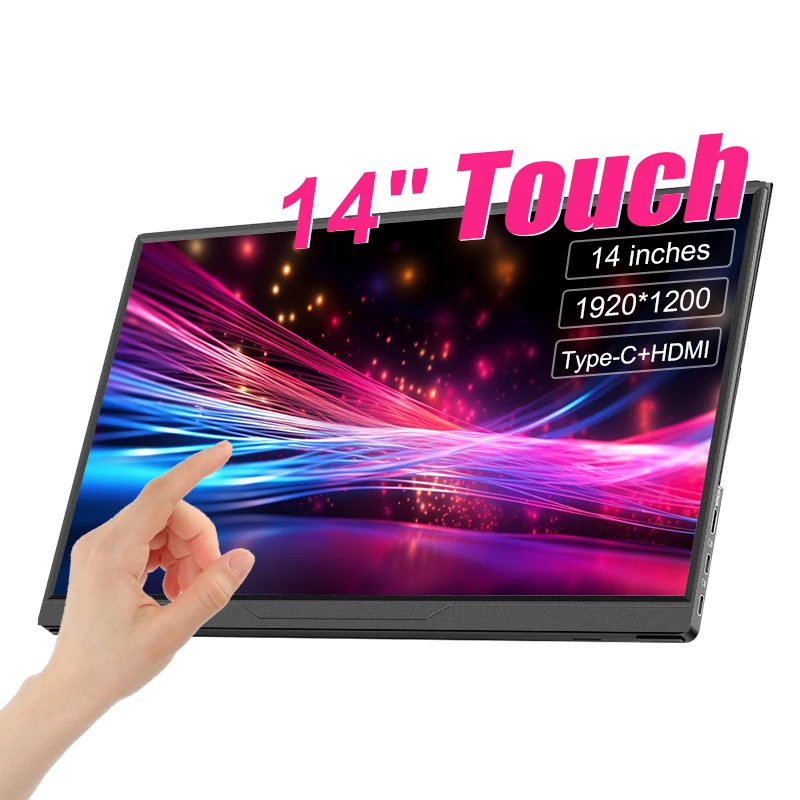
How to Choose a Portable Monitor for Your Laptop Workspace How to Choose a Portable Monitor for Your Laptop Workspace How to Choose a Portable Monitor for Your Laptop Workspace How to Choose a Portable Monitor for Your Laptop Workspace

Crucial Travel Purchase Decisions

Key technical points hybrid professionals check to prevent dual-cable clutter and power dropouts.

USB-C Power & Alt Mode Realities

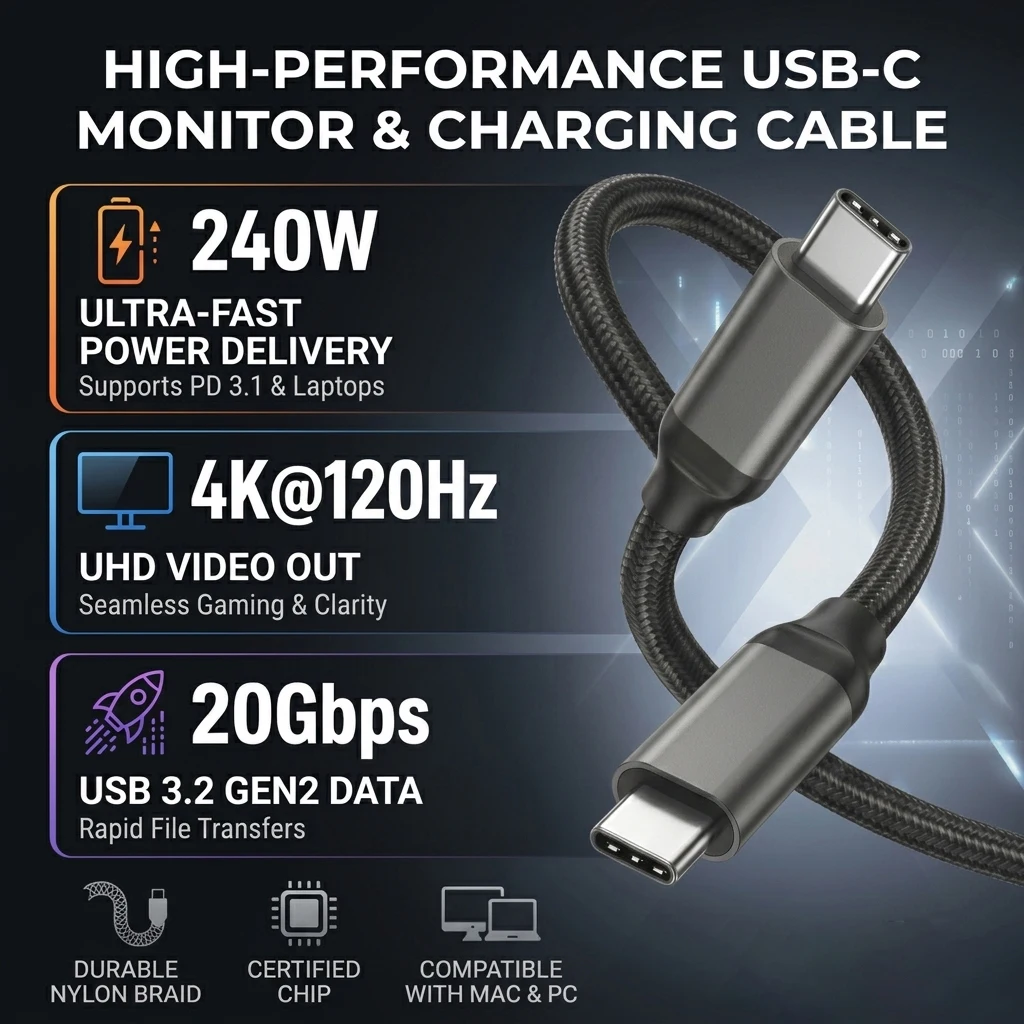
Vendors often advertise 'single cable' convenience while relying on unbundled 65W wall chargers or specific host laptop wattages.

  • Check if video-capable USB-C 3.2 is supported without auxiliary power
  • Inspect package contents for missing power adapters

Panel Brightness & Surface Finish

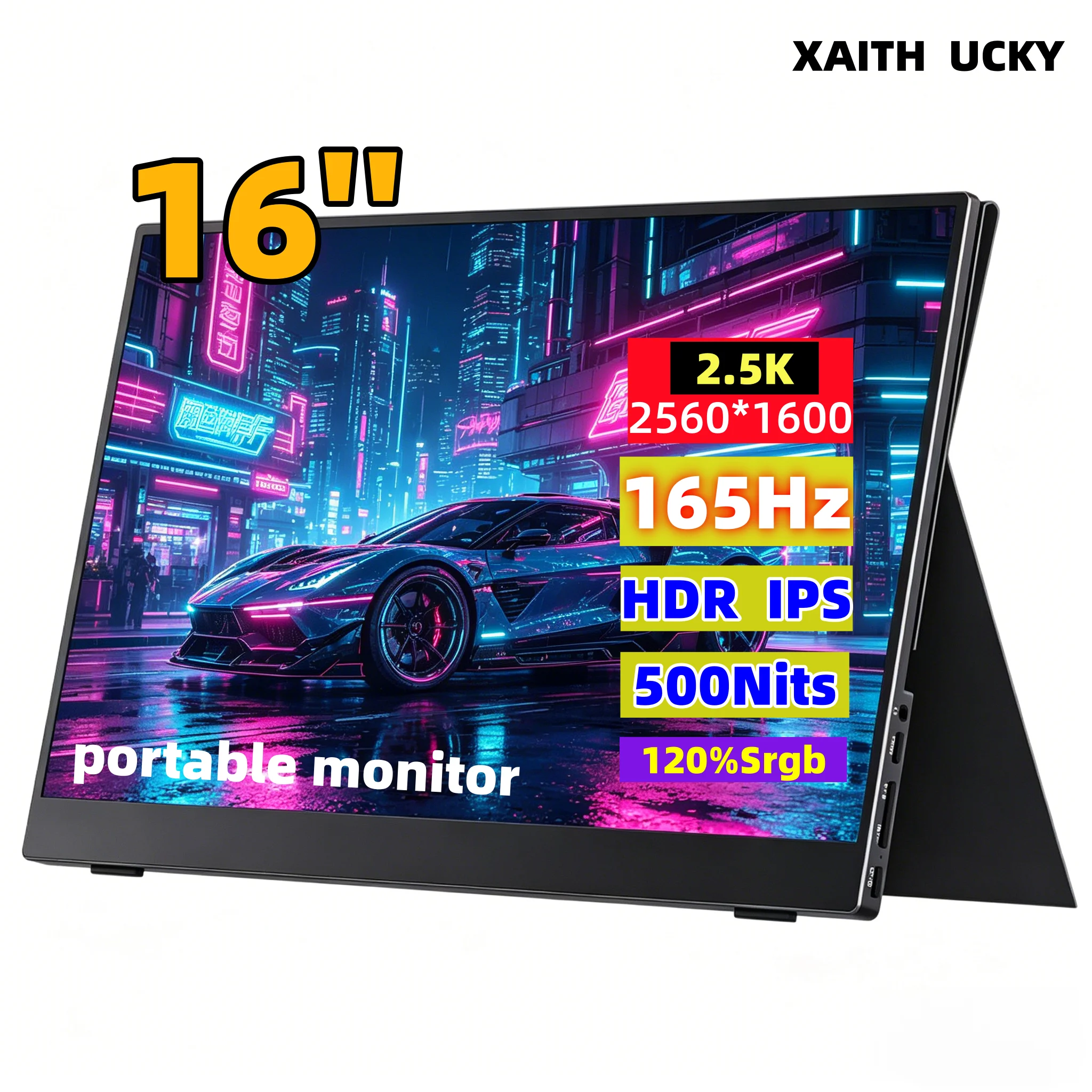
Manufacturer-rated nits dictate whether outdoor cafe tables or bright commuter trains turn the screen into a mirror.

  • Listing-rated 300+ nits recommended for sunny cafe windows
  • Matte anti-glare coatings curb high-ceiling fluorescent glare

Kickstand Footprint & Pack Weight

Floppy magnetic folio stands struggle on cramped airline trays compared to rigid integrated kickstands.

  • Integrated 0-90° stands provide rigid multi-angle stability
  • Evaluate sub-800g chassis for true slipcase packability
Editorial Coverage

Latest Display Breakdown Guides

Thorough specification analyses identifying port architectures, included accessories, and traveler fit.

Research Transparency Note

How We Evaluate Hardware Claims

This publication analyzes published vendor documentation, seller port schematics, and package manifests. We do not conduct laboratory tear-downs or lumen-meter sensor benchmarks; our mission is clarifying confusing product specs so buyers make informed choices.